S.T.A.L.K.E.R.: Shadow of Chernobyl — System Requirements, FPS Estimate & Settings
2007 · Shooter, Adventure, Action, RPG · GSC Game World · ESRB Adults Only · Metacritic 82
Official system requirements
Publisher-published Minimum / Recommended values via RAWG, retrieved 2026-08-21. Real-world performance varies with drivers, resolution and your full build.
| Spec | Minimum | Recommended |
|---|---|---|
| OS | Minimum: Microsoft® Windows® XP (Service Pack 2)/Microsoft® Windows® 2000 SP4, Intel Pentium 4 2 Ghz/AMD XP 2200+, 512 MB RAM, 10 GB available hard drive space, 128 MB DirectX® 9c compatible card/ nVIDIA® GeForce™ 5700/ATI Radeon® 9600, DirectX® 9 compatible sound card, LAN/ Internet connection with Cable/DSL speeds for multiplayer, Keyboard, Mouse | — |
| Processor | Recommended: Intel Core 2 Duo E6400/AMD Athlon 64 X2 4200+, 1 GB RAM or better, 256 MB DirectX® 9c compatible card/ nVIDIA® GeForce™ 7900/ ATI Radeon® X1850 | — |
| Memory | — | — |
| Graphics | — | — |
Multi-GPU FPS estimate
Estimated average FPS by GPU at 1080p / 1440p / 4K, derived from S.T.A.L.K.E.R.: Shadow of Chernobyl's demand tier (tier 5, Moderate (mainstream GPU)) and published TechPowerUp-style relative-performance indices (RTX 4090 = 100), retrieved 2026-08-29. Planning estimates, not benchmarks.
| GPU | 1080p | 1440p | 4K |
|---|---|---|---|
| RTX 4090 | 150 | 99 | 57 |
| RTX 4080 Super | 135 | 89 | 51 |
| RTX 4080 | 129 | 85 | 49 |
| RX 7900 XTX | 144 | 95 | 55 |
| RX 7900 XT | 135 | 89 | 51 |
| RTX 4070 Ti Super | 115 | 76 | 44 |
| RX 7800 XT | 115 | 76 | 44 |
| RTX 4070 Super | 108 | 71 | 41 |
| RTX 4070 | 101 | 67 | 39 |
| RX 7700 XT | 104 | 69 | 40 |
| RTX 3070 | 94 | 62 | 36 |
| RX 6800 XT | 114 | 75 | 43 |
| RTX 4060 Ti | 83 | 55 | 32 |
| RX 6700 XT | 101 | 67 | 39 |
| RTX 3060 | 76 | 50 | 29 |
| RX 6600 XT | 86 | 57 | 33 |
| RTX 2060 | 69 | 45 | 26 |
| GTX 1660 Super | 57 | 38 | 22 |
| RX 580 | 66 | 44 | 25 |
| GTX 1060 6GB | 54 | 36 | 20 |
| GTX 1650 | 43 | 28 | 16 |
| Intel Arc A770 | 88 | 58 | 33 |
| UHD 770 (integrated) | 18 | 12 | 8 |
Method: a game's demand tier maps to a “GPU index needed for ~60 FPS at 1080p”; each GPU's relative index produces an estimate via a diminishing-returns curve, then scaled for resolution. Source: TechPowerUp GPU database (relative performance), 2026-08-29.
Similar games you may tune next
The Outer Worlds
2019 · Shooter, Adventure
Open profile →Borderlands 3
2019 · Shooter, Adventure
Open profile →Borderlands 2
2012 · Shooter, Action
Open profile →Cyberpunk 2077
2020 · Shooter, Action
Open profile →Warframe
2013 · Shooter, Massively Multiplayer
Open profile →Alan Wake
2010 · Shooter, Adventure
Open profile →Fallout: New Vegas
2010 · Shooter, Action
Open profile →Prey
2017 · Shooter, Action
Open profile →Optimize S.T.A.L.K.E.R.: Shadow of Chernobyl for your hardware
Pick your GPU, CPU, resolution and target refresh rate, then generate a printable settings card with per-preset expectations and upscaler guidance.
Optimize S.T.A.L.K.E.R.: Shadow of Chernobyl for your PC
This is a planning estimate derived from the game's demand tier, not a benchmark.
My S.T.A.L.K.E.R.: Shadow of Chernobyl Settings Card
Generated at GameFigs on 2026-09-25. Game demand tier: 5/9.
Release & version notes
Official release date: 2007-03-19. Ongoing patches and version history are published by the developer — for the latest patch notes, see the official store or support page. GameFigs summarizes the official release only and does not invent patch dates.
About S.T.A.L.K.E.R.: Shadow of Chernobyl
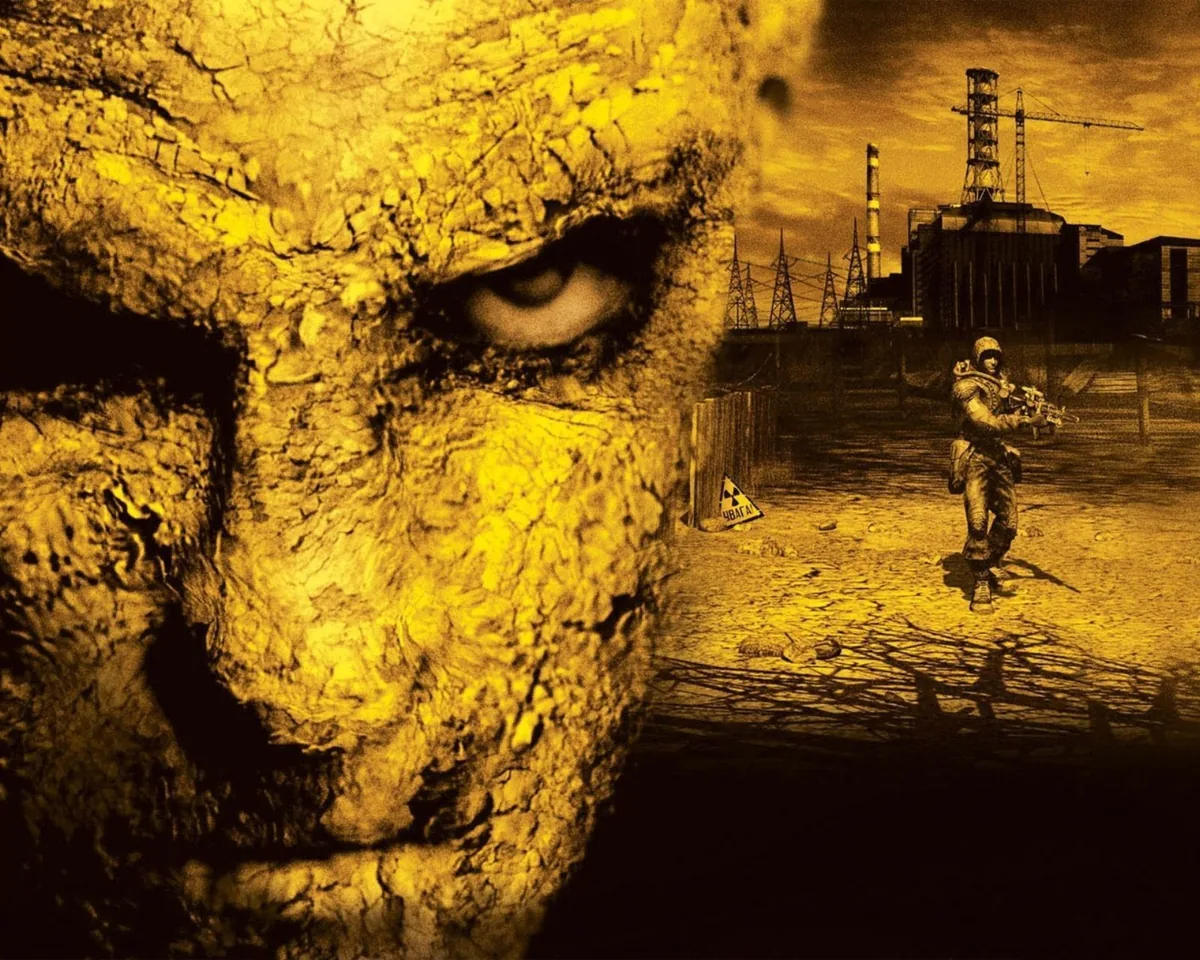
This post-apocalyptic game that spawned the S.T.A.L.K.E.R. franchise is inspired by (but not really based on) the 'Roadside Picnic' novel by brothers Strugatsky and Tarkovsky's movie 'Stalker', borrowing some of the terms and aesthetics from both. S.T.A.L.K.E.R.: Shadow of Chernobyl is set in Ukraine, in the infamous Chernobyl Exclusion Zone. Several parts of the open-world setting were modeled after the real Chernobyl surroundings, including the power plant and the city of Pripyat, although designers took some liberties. The bleak environment and dark ambient music help to create an unsettling atmosphere of this place. According to the backstory, in 2006, the second Chernobyl disaster occurred, turning the surrounding area into post-apocalyptic ruins, full of grotesque mutants and time-space anomalies. The "stalkers" in this world are the explorers who wander The Zone in search of valuable loot. You play as the Marked One, a stalker who lost his memory. All that remains of his past is a memo that says “Kill Strelok”. The Marked One will have to learn more about himself, Strelok, The Zone, and its mysteries. The plot is non-linear, and there are multiple endings that depend on the quests you completed earlier.
Sources & attribution
- Game data (release year, genres, platforms, system requirements, description, cover art) via RAWG.io, retrieved 2026-08-21.
- GPU relative-performance indices via TechPowerUp GPU database (relative performance), retrieved 2026-08-29.
- FPS estimates on this page are GameFigs planning estimates from the demand-tier + GPU-index model — not benchmark results.
How the S.T.A.L.K.E.R.: Shadow of Chernobyl optimization card & FPS estimate are computed
Each game is scored on a 0–9 demand tier from its published PC requirements (and a year/genre fallback when requirements are absent). The FPS estimate compares your selected GPU's relative-performance index against the tier's required index using a diminishing-returns curve, then scales for resolution. The settings card maps the demand tier and your hardware to a starting preset, an FPS band and an upscaler recommendation. All outputs are planning guides — verify in-game with the built-in benchmark when available.
Tools for S.T.A.L.K.E.R.: Shadow of Chernobyl
Check your hardware against this title, then set your gear up for it.